

Table of Contents
Understanding HVAC Filter Types for High Pollen Seasons
HVAC filter types vary widely in effectiveness, especially during high pollen seasons. The right filter can make a huge difference in your home’s air quality. In Lafayette, LA, where pollen counts are currently very high, choosing the proper HVAC filter is even more important. The best HVAC filter types trap allergens like pollen, dust, and pet dander before they circulate through your home. This helps everyone breathe easier and keeps your HVAC system running smoothly.
Common HVAC Filter Types and Their Ratings
HVAC filter types come in several varieties, each with different strengths. Understanding these options helps you make the best choice for your home.

Fiberglass Filters
Fiberglass filters are the most basic HVAC filter types. They’re very thin and usually have a cardboard frame. These filters catch only large particles like dust and lint. They won’t help much with pollen or other small allergens. Fiberglass filters typically have a MERV rating of 1-4, which is the lowest on the scale. They’re very cheap, usually costing less than $5 each.
Pleated Filters
Pleated filters are made from cotton or polyester. The material is folded like an accordion to create more surface area. This design helps catch more particles than flat fiberglass filters. Pleated HVAC filter types usually have MERV ratings between 5 and 13. They can trap smaller particles like mold spores and some pollen. These filters cost about $10-$20 each but last longer than fiberglass ones.
HEPA Filters
HEPA (High-Efficiency Particulate Air) filters are the gold standard of HVAC filter types. They can remove at least 99.97% of dust, pollen, mold, bacteria, and airborne particles. HEPA filters have MERV ratings of 17-20, the highest possible. However, most home HVAC systems can’t use true HEPA filters because they restrict airflow too much. They’re also more expensive, ranging from $25 to $100 each.
Washable Filters
Washable filters are reusable HVAC filter types. They’re usually made of metal or synthetic materials that can be cleaned and reused. Their MERV ratings typically range from 1-4, similar to fiberglass filters. While they save money over time, they don’t filter small particles well. They cost $20-$40 initially but can last several years with proper maintenance.
Electrostatic Filters
Electrostatic filters use static electricity to attract and trap particles. These HVAC filter types come in both disposable and permanent versions. They have MERV ratings of 5-13 and work well for homes with pets or smokers. Disposable versions cost $10-$20, while permanent ones range from $20-$80 and need regular cleaning.
How Different HVAC Filter Types Affect Air Quality
The HVAC filter type you choose directly impacts your home’s air quality. This is especially true during high pollen seasons in Lafayette.
Particle Removal Efficiency
Different HVAC filter types catch different sizes of particles. Fiberglass filters only catch large dust particles. Pleated filters catch medium-sized particles like some pollen and pet dander. HEPA filters catch tiny particles, including most pollen, bacteria, and even some viruses. During high pollen seasons, higher-rated filters make a big difference in how much pollen enters your home.
Impact on Airflow
As HVAC filter types get better at catching particles, they often restrict airflow more. This can make your system work harder. Fiberglass filters allow the most airflow but catch the fewest particles. HEPA filters catch the most particles but restrict airflow the most. Pleated filters offer a good middle ground for most homes. It’s important to choose a filter that your system can handle.

Effect on HVAC System Performance
Using the wrong HVAC filter type can damage your system. Filters that are too restrictive make your system strain to pull air through. This increases energy use and can cause your system to break down early. On the other hand, filters that are too basic won’t protect your system from dust buildup. The right filter keeps both your air and your HVAC system clean.
Choosing the Right HVAC Filter Type for Allergy Sufferers
For people with allergies, choosing the right HVAC filter type is crucial. This is especially true during high pollen seasons in Lafayette, LA.
MERV Ratings Explained
MERV (Minimum Efficiency Reporting Value) rates how well HVAC filter types catch particles. The scale runs from 1 to 20. Higher numbers mean better filtering. For allergy sufferers, filters with MERV 8-13 are usually best. These catch most allergens without restricting airflow too much. During high pollen seasons, consider moving up one MERV level from what you normally use.
Best HVAC Filter Types for Common Allergens
Different allergens require different HVAC filter types. For pollen, which is a big problem in Lafayette right now, pleated filters with MERV 8 or higher work well. For pet allergies, electrostatic or pleated filters with MERV 10+ are good choices. For dust mite allergies, pleated filters with MERV 11+ are recommended. If multiple allergies affect your family, a MERV 11-13 pleated filter offers good all-around protection.
Special Considerations for Asthma Sufferers
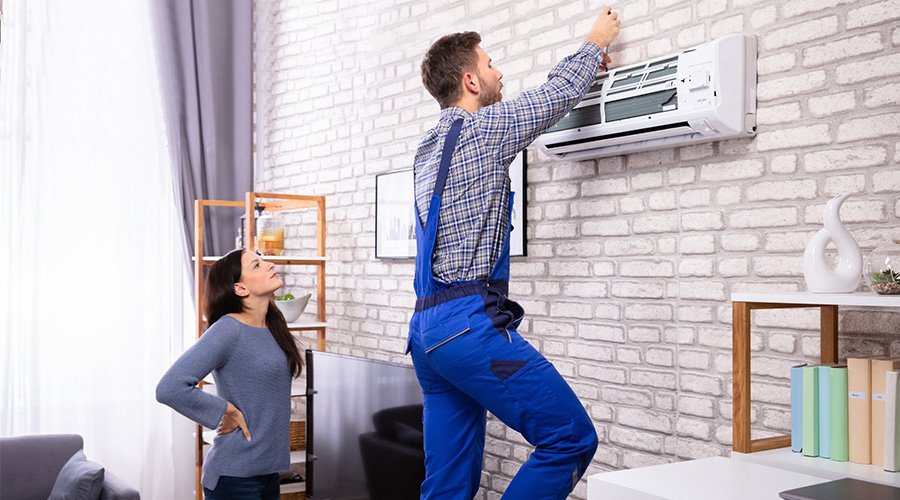
People with asthma need the best air quality possible. For these homes, consider the highest MERV rating your system can handle, ideally 11-13. Some HVAC systems can be modified to accept higher-rated filters. You might also consider adding a separate air purifier with a true HEPA filter in bedrooms. Changing filters more often than recommended also helps keep the air cleaner for asthma sufferers.
Lafayette’s Current Pollen Crisis: Why Filter Choice Matters
Lafayette, LA is currently experiencing very high pollen counts. This makes your choice of HVAC filter types more important than ever.
Current Pollen Levels in Lafayette
As of spring 2025, Lafayette is seeing pollen counts above 9.0 on the 12-point scale. This is considered “very high” and can cause problems even for people without allergies. Tree pollen is the main culprit right now, with oak, pine, and birch being the worst offenders. These tiny particles easily enter homes through windows, doors, and HVAC systems with inadequate filters. Local weather reports predict these high levels will continue for several more weeks.
How Pollen Enters Your Home
Pollen finds many ways into your home. It comes in through your clothes, pets, and open doors and windows. But a major entry point is through your HVAC system. Without proper HVAC filter types, your air conditioner or heater actually spreads pollen throughout your home. Every time the system runs, it can pull pollen from outside and distribute it to every room. This is why filter choice is so important during high pollen seasons.

Recommended HVAC Filter Types for High Pollen Seasons
During Lafayette’s current high pollen season, we recommend pleated filters with MERV 11 or higher. These HVAC filter types catch most pollen before it enters your home. If your system can handle it, a MERV 13 filter provides even better protection. For severe allergy sufferers, consider adding a portable HEPA air purifier in bedrooms. Also, change your filters more frequently during high pollen season – every 30 days instead of the usual 60-90 days.
Maintenance Tips for Different HVAC Filter Types
Proper maintenance of your HVAC filter types ensures they work effectively, especially during high pollen seasons.
How Often to Change Different Filter Types
Each HVAC filter type has a different lifespan. Fiberglass filters need changing every 30 days. Pleated filters typically last 60-90 days. During high pollen seasons like Lafayette is experiencing now, change all filter types 30 days sooner than normal. Washable filters need cleaning every 30 days. Always check your filter monthly during high pollen seasons – if it looks dirty, change it regardless of the recommended schedule.
Proper Installation Techniques
Installing HVAC filter types correctly is just as important as choosing the right one. Always check the arrow on the filter frame – it must point toward the furnace/air handler. Make sure the filter fits snugly, with no gaps around the edges. Gaps let air bypass the filter, making it useless. If your filter doesn’t fit perfectly, consider getting a custom-sized one. Never stack filters thinking they will filter better – this restricts airflow too much.
Signs Your Filter Needs Changing
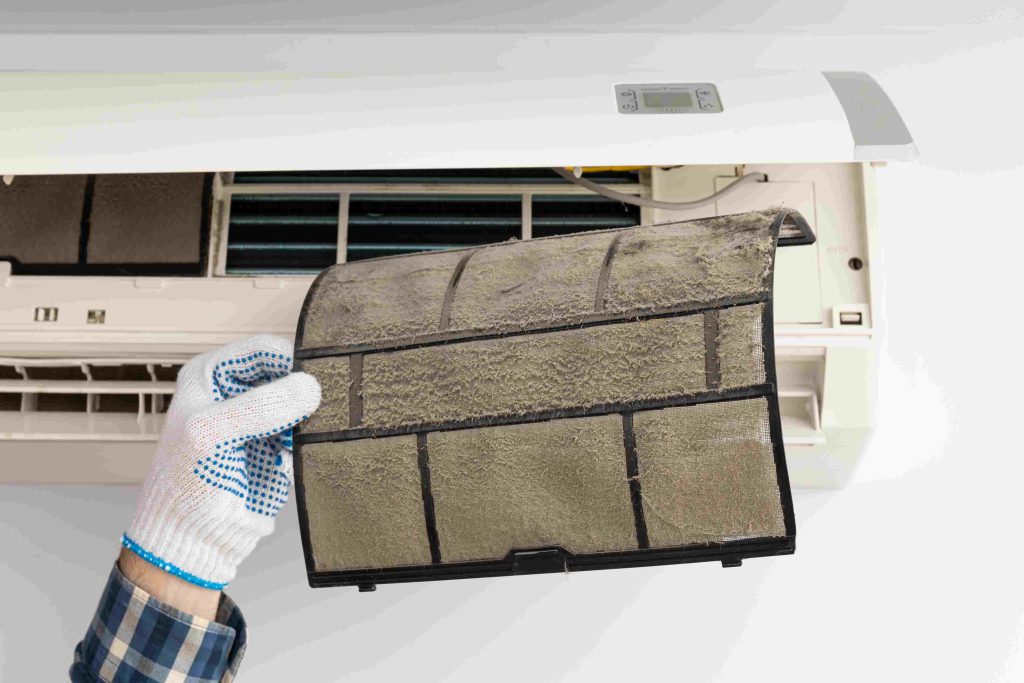
Don’t just rely on the calendar to know when to change HVAC filter types. Watch for these signs: visible dust on vents, increased allergy symptoms, higher energy bills, or your system running longer than usual. During high pollen seasons, you might notice yellow dust (pollen) on the filter. If your home seems dustier than normal or you see more dust floating in the sunbeams, check your filter right away.
Cost Comparison of Various HVAC Filter Types
Understanding the costs of different HVAC filter types helps you make budget-friendly choices without sacrificing air quality.
Initial Purchase Price
HVAC filter types vary widely in price. Basic fiberglass filters cost $1-$5 each. Pleated filters range from $10-$20 depending on MERV rating. Electrostatic disposable filters cost $10-$20. Washable/reusable filters cost $20-$40 initially. HEPA filters or high-MERV specialty filters can cost $25-$100 each. During high pollen seasons like Lafayette is experiencing, the extra cost of better filters is worth it for allergy sufferers.
Long-term Cost Analysis
When comparing HVAC filter types, consider long-term costs. Cheap fiberglass filters need replacing monthly, costing $60+ yearly. Better pleated filters last longer, costing $40-$80 yearly. Washable filters cost more upfront but can last 5+ years with proper care. However, washable filters don’t work well during high pollen seasons. The most economical approach is often using better pleated filters (MERV 8-11) and changing them regularly.
Value Considerations Beyond Price
The true value of HVAC filter types goes beyond price. Better filters reduce dust in your home, meaning less cleaning. They protect your HVAC system, potentially saving you thousands in repairs. Most importantly, they protect your family’s health. During high pollen seasons in Lafayette, a good filter can mean the difference between comfort and constant allergy symptoms. For homes with allergy sufferers, the health benefits of better filters far outweigh the extra cost.

Recommended HVAC Filter Types Based on Budget
- Tight Budget: Pleated filters with MERV 8, changed every 60 days
- Average Budget: Pleated filters with MERV 11, changed every 60-90 days
- Comfort Priority: Pleated filters with MERV 13, changed every 60 days
- Allergy Sufferers: Pleated filters with MERV 13 plus portable HEPA air purifiers in bedrooms
Are high-MERV filters always better for indoor air quality?
Not necessarily. While high-MERV filters trap more particles, they can also restrict airflow if your HVAC system isn’t built for them. The best filter is one that balances air quality improvement without overworking your system.
Can using the wrong HVAC filter increase my energy bill?
Yes. Filters that are too restrictive can strain your HVAC system, making it work harder to push air through, which results in higher energy usage and utility bills over time.
Do washable filters work during high pollen seasons?
Washable filters offer long-term savings but are less effective at trapping fine particles like pollen. During allergy season, disposable pleated filters with higher MERV ratings are more effective.
How do I know which MERV rating my HVAC system supports?
Check your system’s manual or ask an HVAC professional. Many residential systems handle MERV 8–13, but going higher without modification can restrict airflow and reduce efficiency.
Choosing the Best HVAC Filter Type for Your Lafayette Home
Selecting the right HVAC filter type is especially important during Lafayette’s high pollen season. For most homes, a pleated filter with MERV 11 offers the best balance of filtration and airflow. If allergies are severe, consider upgrading to MERV 13. Remember that even the best filter needs regular changing to work effectively. During high pollen seasons, check your filter monthly and replace it when it looks dirty. The right HVAC filter type keeps your family breathing easy and your system running efficiently.
Ready to upgrade your HVAC filter or need help choosing the right type for your system? Our team of experts can help you select the perfect filter for Lafayette’s high pollen season. Contact Acadiana Comfort today to schedule a consultation or filter replacement service.
Your family’s comfort and health are our top priorities! Call now!


