

Table of Contents
An energy-efficient heat pump is a modern heating and cooling system that uses less electricity to keep your home comfortable year-round. Unlike traditional heating systems that create heat, these smart devices move heat from one place to another. This simple difference makes energy-efficient heat pumps up to 50% more efficient than furnaces or baseboard heaters.
They work by extracting heat from the outside air (even in cold weather) and moving it inside during winter. In summer, they reverse this process to cool your home. If you’re looking to cut energy bills while staying comfortable, a heat pump is one of the best investments you can make for your home.
What Is an Energy-Efficient Heat Pump?
An energy-efficient heat pump is a heating and cooling system that transfers heat instead of generating it. Think of it like a refrigerator, but for your whole house. Just as your fridge moves heat from inside to outside to keep food cold, a heat pump moves heat from outdoors to indoors (or vice versa) to maintain comfort.
The magic of a heat pump lies in its ability to move heat rather than create it. This process uses much less energy than traditional heating systems. Even when it’s cold outside, there’s still heat energy in the air that the pump can capture and bring inside.
Modern energy-efficient heat pumps can work effectively even when outdoor temperatures drop as low as 5°F (-15°C). This makes them suitable for most climates across the United States. Some newer models work efficiently in even colder temperatures.
How Energy-Efficient Heat Pumps Work
The operation of a heat pump is based on a simple principle: heat naturally flows from warmer areas to cooler ones. Here’s how it works:
1. The outdoor unit contains refrigerant that absorbs heat from the air (even cold air).
2. This refrigerant is compressed, which raises its temperature.
3. The hot refrigerant travels to the indoor unit, where it releases heat into your home.
4. The cycle repeats continuously to maintain your desired temperature.
In summer, this process reverses. The energy-efficient heat pump absorbs heat from inside your home and releases it outdoors, just like an air conditioner. This dual functionality makes it a versatile, year-round comfort solution.
Types of Energy-Efficient Heat Pumps
There are several types of energy-efficient heat pumps to choose from, each with unique advantages depending on your home and location.
Air-Source Heat Pumps
Air-source heat pumps are the most common type of heat pump. They transfer heat between your house and the outside air. These systems are:
– Easier and less expensive to install than other types
– Suitable for most homes with existing ductwork
– Capable of reducing energy use by 50% compared to electric resistance heating

Modern air-source heat pumps come with variable-speed motors and improved coil designs that make them more efficient than older models. Some advanced units can achieve heating efficiencies of up to 400% on mild days!
Ground-Source (Geothermal) Heat Pumps
Ground-source heat pumps, also called geothermal heat pumps, transfer heat between your home and the ground or a nearby water source. These energy-efficient heat pumps offer:
– The highest efficiency of all heat pump types
– Consistent performance regardless of outdoor air temperature
– Lower operating costs over time
– Longer lifespan (typically 20-25 years for indoor components)
The initial installation cost is higher because pipes need to be buried in the ground, but the energy savings and federal tax credits can help offset this expense. According to the U.S. Department of Energy, geothermal heat pumps can be 45-70% more efficient than standard air-source models.
Ductless Mini-Split Heat Pumps
Ductless mini-split heat pumps are perfect for homes without existing ductwork. These energy-efficient heat pumps include:
– An outdoor unit connected to one or more indoor air handlers
– Individual temperature control for different rooms or zones
– Simple installation requiring only a small hole in the wall
– No energy loss through ductwork
Mini-splits are ideal for room additions, small apartments, or for creating temperature zones in larger homes. They’re extremely energy-efficient because they avoid the energy losses associated with ductwork, which can account for more than 30% of energy consumption.

Benefits of Installing an Energy-Efficient Heat Pump
Switching to a heat pump offers numerous advantages beyond just saving energy.
Lower Energy Bills
The most immediate benefit of a heat pump is reduced energy consumption. Homeowners typically see savings of 30-50% on their heating costs compared to electric resistance heating. In cooling mode, modern energy-efficient heat pumps are also more efficient than standard air conditioners.
A family in a 2,000-square-foot home might save $500-$1,000 annually by switching to a heat pump. These savings add up significantly over the system’s lifetime.
Environmental Benefits
Energy-efficient heat pumps are better for the planet. By using less electricity, they reduce greenhouse gas emissions associated with power generation. According to the EPA, replacing an old heating system with a heat pump can reduce your carbon footprint by several tons per year.
Many newer heat pump models also use refrigerants with lower global warming potential, further reducing their environmental impact. This makes them a key technology for fighting climate change while keeping homes comfortable.
Improved Home Comfort
Energy-efficient heat pumps provide more consistent temperatures throughout your home. Unlike furnaces that blast hot air until reaching the thermostat setting, heat pumps deliver a steady, gentle flow of warm air. This eliminates the hot and cold spots common with traditional systems.
In summer, heat pumps also dehumidify more effectively than standard air conditioners, creating a more comfortable indoor environment. Many homeowners report better sleep and fewer allergy symptoms after installing these systems.
Increased Home Value
Installing a heat pump can boost your property value. As energy costs rise and environmental awareness grows, homes with efficient heating and cooling systems become more attractive to buyers. Real estate studies show that energy-efficient homes sell faster and at higher prices than comparable properties with conventional HVAC systems.
How to Choose the Right Energy-Efficient Heat Pump
Selecting the best heat pump for your home requires considering several important factors.
Sizing Considerations
Proper sizing is crucial for a heat pump. An oversized unit will cycle on and off too frequently, reducing efficiency and comfort. An undersized unit will run constantly and struggle to maintain comfortable temperatures.
A professional HVAC contractor should perform a Manual J load calculation to determine the right size for your home. This calculation takes into account:
– Your home’s square footage
– Insulation levels
– Window quality and quantity
– Local climate conditions
– Number of occupants

Never choose a heat pump based solely on your home’s square footage. The proper sizing process is more complex and essential for optimal performance.
Efficiency Ratings to Look For
When shopping for a heat pump, pay attention to these ratings:
SEER (Seasonal Energy Efficiency Ratio): Measures cooling efficiency. Look for a SEER rating of at least 16, with the most efficient models reaching 20+.
HSPF (Heating Seasonal Performance Factor): Measures heating efficiency. The minimum for new systems is 8.2, but the most heat pumps have ratings of 10 or higher.
ENERGY STAR® Certification: Products with this label exceed minimum federal standards for efficiency. An ENERGY STAR certified heat pump can save hundreds of dollars over its lifetime compared to standard models.
Features Worth Investing In
Modern heat pumps offer advanced features that improve comfort and efficiency:
Variable-speed technology: These heat pumps can run at different speeds rather than just “on” or “off,” providing more precise temperature control and using less energy.
Smart controls: Wi-Fi enabled thermostats allow you to control your energy-efficient heat pump from your phone and learn your preferences over time.
Zone control: This feature lets you heat or cool different areas of your home to different temperatures, avoiding wasted energy.
Defrost controls: Important in cold climates, these help your energy-efficient heat pump operate efficiently even when ice forms on the outdoor unit.
Maintaining Your Energy-Efficient Heat Pump
Proper maintenance ensures your heat pump operates at peak efficiency and lasts longer.
Regular Maintenance Tasks
Here are simple maintenance tasks you can perform yourself:
- Change or clean air filters every 1-3 months
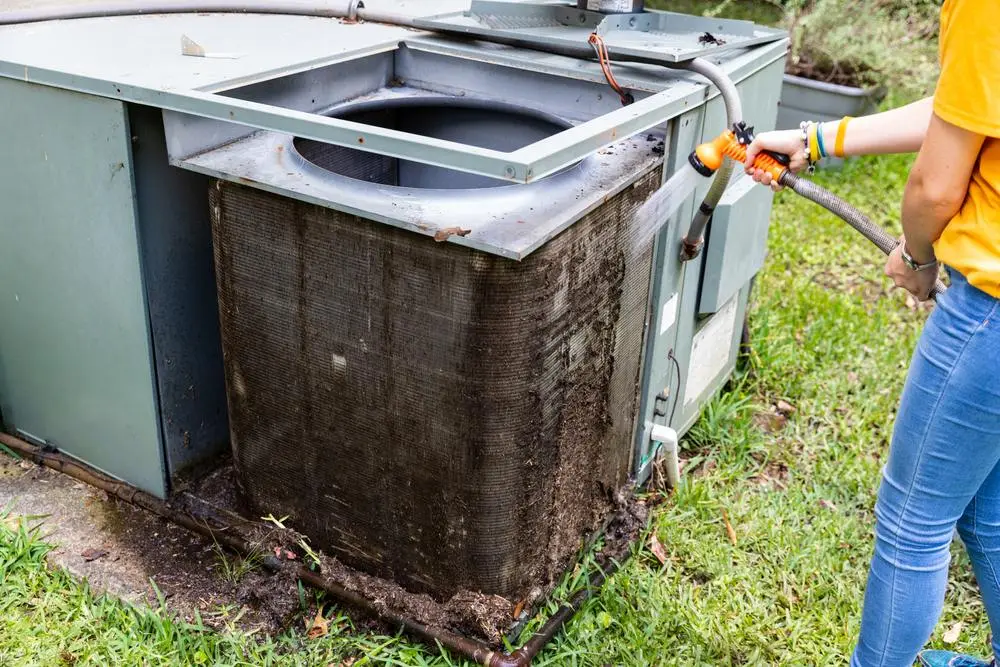
- Keep outdoor units clear of debris, leaves, and snow
- Ensure indoor vents are unblocked by furniture or curtains
- Clean indoor registers and grilles to remove dust
- Check for unusual noises or operation
These simple steps help your energy-efficient heat pump run smoothly and prevent small issues from becoming major problems.
Professional Maintenance
Schedule professional maintenance for your heat pump at least once a year. A qualified technician will:
- Check refrigerant levels and test for leaks
- Inspect electrical connections and components
- Clean coils and check airflow
- Lubricate moving parts
- Verify proper operation of controls and safety features
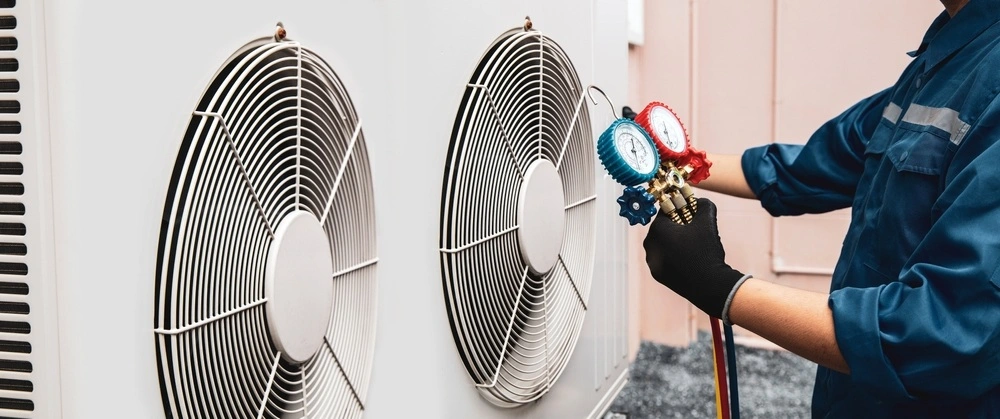
Professional maintenance typically costs $75-$150 but can extend your energy-efficient heat pump’s life by years and maintain its efficiency. Many HVAC companies offer maintenance plans that include priority service and discounts on repairs.
Cost and Savings of Energy-Efficient Heat Pumps
Understanding the financial aspects of energy-efficient heat pumps helps you make an informed decision.
Initial Investment
The upfront cost of an energy-efficient heat pump varies based on type, size, and efficiency:
- Air-source heat pumps: $4,000-$8,000 installed
- Ductless mini-split systems: $3,000-$10,000 (depending on the number of zones)
- Ground-source (geothermal) heat pumps: $10,000-$30,000 before incentives
While these costs may seem high, remember that an energy-efficient heat pump replaces both your heating and cooling systems. Plus, various incentives can significantly reduce your out-of-pocket expenses.
Available Incentives and Rebates
Several financial incentives make energy-efficient heat pumps more affordable:
Federal tax credits: The Inflation Reduction Act offers tax credits of up to 30% of the cost for qualifying energy-efficient heat pumps.
Utility rebates: Many electric utilities offer rebates of $500-$1,500 for installing energy-efficient heat pumps.
State incentives: Depending on your location, additional state-level incentives may be available.
Low-interest financing: Special financing programs can help spread the cost over time, often with interest rates lower than typical home improvement loans.
Combined, these incentives can reduce your net cost by 30-50%, making an energy-efficient heat pump much more affordable.
Long-Term Savings
The real value of an energy-efficient heat pump comes from long-term energy savings:
– Most homeowners save 30-50% on heating costs compared to electric resistance heating
– Cooling costs are typically 20-40% lower than with standard air conditioners
– Annual savings of $300-$1,000 depending on your climate and previous system
– Additional savings from reduced maintenance (one system instead of separate heating and cooling)
Over its 15-20 year lifespan, an energy-efficient heat pump can save you $5,000-$20,000 in energy costs, easily offsetting the initial investment.
Frequently Asked Questions About Energy-Efficient Heat Pumps
Do energy-efficient heat pumps work in cold climates?
Yes, modern energy-efficient heat pumps are built to handle even very cold weather, down to around -15°F. They’re a great year-round solution, though in extreme cold, some homes still use a backup heat source for peace of mind.
How long do energy-efficient heat pumps last?
With good maintenance, energy-efficient heat pumps can last 15–20 years or more, especially if they’re properly installed. Some components, like those in geothermal systems, can last over 50 years with minimal repairs.
Can I install an energy-efficient heat pump myself?
No, installing one yourself isn’t recommended—it needs proper sizing, electrical setup, and refrigerant charging by a licensed pro. Doing it wrong can reduce efficiency by 30% and void your warranty.
Will an energy-efficient heat pump work with my existing ductwork?
Yes, if your ducts are in good shape, properly sealed, and insulated, they should work with most energy-efficient heat pumps. Your HVAC contractor can inspect them and recommend changes if needed to ensure peak performance.
How noisy are energy-efficient heat pumps?
Energy-efficient heat pumps are surprisingly quiet—indoor units hum at whisper-level, and outdoor units are quieter than traditional ACs. Most homeowners find the sound barely noticeable, especially with variable-speed systems.
Ready to Upgrade to an Energy-Efficient Heat Pump?
An energy-efficient heat pump offers the perfect combination of comfort, savings, and environmental benefits. From lower utility bills to improved indoor comfort, these systems represent the future of home heating and cooling. With various types available and numerous incentives to offset costs, there’s never been a better time to make the switch.
Ready to experience the benefits of an energy-efficient heat pump in your home? Contact Acadiana Comfort Heating and Cooling today for a consultation. They can help you determine the right type and size of energy-efficient heat pump for your specific needs and provide a detailed estimate of costs and potential savings. Make the smart choice for your comfort, your wallet, and the planet by upgrading to an energy-efficient heat pump system.


