

Why Is My AC Airflow Weak?
Weak AC airflow happens when your air conditioner isn’t pushing enough cool air through your vents. This common problem can make your home feel stuffy and uncomfortable, especially during hot weather. The most common causes include dirty air filters, blocked vents, duct problems, or issues with your AC’s blower fan. The good news is that many airflow problems can be fixed without calling a professional. By checking a few simple things first, you can often restore strong, even cooling throughout your home and avoid costly repairs.
Table of Contents
| Common Causes of Weak AC Airflow | DIY Fix Possible? | Professional Help Needed? |
|---|---|---|
| Dirty air filter | Yes | No |
| Blocked or closed vents | Yes | No |
| Dirty evaporator coil | Sometimes | Often |
| Leaky ductwork | Minor leaks only | Usually |
| Blower motor problems | No | Yes |
| Refrigerant issues | No | Yes |
| Frozen evaporator coil | Partial (thawing) | Usually |
7 Ways to Fix Weak AC Airflow
Let’s look at the most effective ways to restore strong, even cooling when your AC airflow is weak. These solutions range from simple DIY fixes to problems that need professional help.
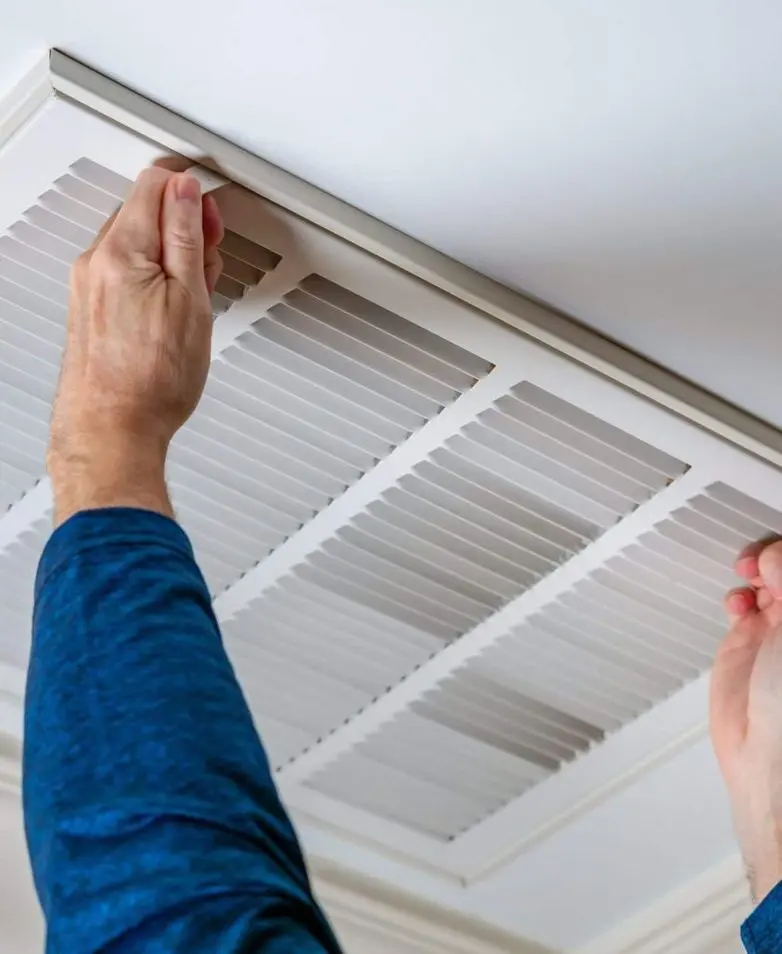
1. Replace or Clean Your Air Filter
A dirty air filter is the most common cause of weak AC airflow. When dust and dirt clog your filter, air can’t flow through easily. This makes your AC work harder and reduces the amount of cool air coming from your vents.
You should check your air filter every month during heavy use seasons. Most filters need to be replaced every 1-3 months. If you can see dust and dirt covering the filter, it’s time for a new one.
For reusable filters, follow the manufacturer’s cleaning instructions. Usually, this means gently rinsing with water and letting it dry completely before putting it back.
2. Check and Open All Air Vents
Sometimes the fix is as simple as opening closed vents. Walk through your home and check every vent to make sure they’re fully open. Even vents in rooms you don’t use often should stay open.
Many people think closing vents in unused rooms saves energy, but this actually creates pressure problems in your duct system. This can reduce airflow throughout your home and even damage your AC system over time.
Also, make sure no furniture, curtains, or rugs are blocking your vents. Even partially blocked vents can significantly reduce airflow to a room.
3. Clean Your Air Ducts
Over time, dust and debris can build up inside your air ducts. This narrows the space air can flow through, like trying to breathe through a straw that has something stuck in it.
Signs you might need duct cleaning include:
– Visible dust or debris coming from vents
– Uneven cooling between rooms
– Musty smells when the AC runs
– Increased allergy symptoms
While you can clean the visible parts of vents yourself, professional duct cleaning is recommended for a thorough job. Professionals have special tools to reach deep into your duct system.
4. Check for Duct Leaks
Leaky ducts can cause up to 30% of your cooled air to escape before it reaches your rooms. This wastes energy and reduces the cooling power reaching your living spaces.
You might have leaky ducts if:
– Some rooms are much warmer than others
– Your energy bills are unusually high
– You can hear whistling sounds from your ductwork
– There’s excessive dust in your home
You can check for leaks in exposed ductwork in attics, basements, or crawl spaces. Look for disconnected joints, holes, or gaps. Small leaks can be sealed with metal tape (not duct tape, which doesn’t last). For major leaks or hidden ductwork, professional sealing is best.
5. Clean Your Evaporator Coil
The evaporator coil is where your AC absorbs heat from your home’s air. When this coil gets dirty, it can’t absorb heat efficiently, and airflow suffers.
Signs of a dirty evaporator coil include:
– Weak airflow despite a clean filter
– Air that doesn’t feel as cool as it should
– Ice forming on refrigerant lines
– The AC running longer than usual
Cleaning the evaporator coil requires opening your AC unit, so many homeowners prefer to have a professional do this job. However, if you’re comfortable with basic home maintenance, you can buy evaporator coil cleaner at home improvement stores and follow the product instructions.
6. Check for a Frozen Evaporator Coil
If your evaporator coil freezes, it blocks airflow completely. This can happen due to dirty filters, low refrigerant, or mechanical problems.
Signs of a frozen coil include:
– Little or no air coming from vents
– Visible ice on the refrigerant lines
– Water leaking around your indoor unit
– The AC running but not cooling
If you suspect a frozen coil, turn off your AC and set the fan to “on” to help thaw the ice. This might take several hours. Once thawed, check and replace the air filter if needed. If the problem returns after these steps, you likely need professional help as it could indicate refrigerant issues.
7. Have Your Blower Fan Inspected
The blower fan pushes air through your system. If it’s dirty, damaged, or failing, airflow will suffer. Unlike some other fixes, blower problems almost always need professional attention.
Signs of blower problems include:
– Unusual noises when the AC runs
– The fan not starting when the AC turns on
– Very weak airflow from all vents
– The system overheating and shutting off
A professional can clean the blower assembly, check the motor, and replace worn parts. Regular maintenance can prevent many blower problems before they start.
When to Call a Professional for Weak AC Airflow
While many airflow problems have DIY solutions, some situations call for professional help. Call an HVAC technician if:
– You’ve tried the DIY fixes above and still have weak airflow
– Your AC is making unusual noises like grinding, squealing, or banging
– You notice electrical problems like circuit breakers tripping
– There’s water leaking around your indoor unit
– Your energy bills have suddenly increased without explanation
– The system turns on and off frequently (short cycling)
Professional HVAC technicians have specialized tools to diagnose airflow problems accurately. They can perform tests to check pressure, airflow volume, and refrigerant levels that homeowners can’t do themselves.
Regular professional maintenance, typically once a year, can prevent many airflow problems before they start. During maintenance visits, technicians clean components, check electrical connections, and identify potential issues early.
Preventing Future AC Airflow Problems
Once you’ve fixed your weak airflow, take these steps to keep your AC running smoothly:
Create a Filter Replacement Schedule
Set calendar reminders to check your filter monthly during summer. Write the date on the filter frame when you install it so you know when it was last changed.
Consider upgrading to better quality filters, but be careful not to use filters with too high a MERV rating unless your system is designed for them. Very dense filters can actually restrict airflow in some systems.
Keep Vents and Returns Clear
When rearranging furniture, always consider your vents. Leave at least 10 inches of clearance around all supply and return vents.
Vacuum vent covers regularly to remove dust buildup. This simple step helps maintain good airflow and reduces dust circulation in your home.
Schedule Regular Professional Maintenance
Annual professional maintenance is the best way to prevent airflow problems. Technicians will clean components that affect airflow, like the evaporator coil and blower assembly.
Spring is the ideal time for AC maintenance, before the heavy use of summer begins. This ensures your system is ready when you need it most.
Understanding the Impact of Weak AC Airflow
Weak airflow doesn’t just make you uncomfortable—it can have several negative effects:
Higher Energy Bills
When airflow is restricted, your AC runs longer to cool your home. This uses more electricity and raises your bills. A system with proper airflow can save 5-15% on cooling costs compared to one with airflow problems.
Reduced Equipment Life
Poor airflow makes your AC work harder, which can wear out components faster. This might mean expensive repairs or early replacement of your system.
Comfort Issues
Beyond the obvious problem of rooms not cooling properly, weak airflow can also lead to humidity problems. Your AC removes humidity as it cools, but it needs good airflow to do this effectively.
Frequently Asked Questions About Weak AC Airflow
Why is my AC airflow weak in just one room?
When only one room has weak airflow, the most likely causes are a closed or blocked vent, a duct leak affecting that room’s supply line, or a duct design issue. Check the vent first, then consider having a professional inspect the ductwork to that room.
Can closing doors in unused rooms cause airflow problems?
Yes, closing too many doors can create pressure imbalances in your home. This is especially true if your return vents are located in hallways or central areas. When doors are closed, air can’t circulate back to the return vents properly, reducing overall airflow.
How often should I replace my AC filter?
Standard 1-inch filters typically need replacement every 1-3 months during regular use. Thicker filters (2-5 inches) may last 3-6 months. If you have pets, allergies, or live in a dusty area, you’ll need to change filters more frequently.
Will a bigger AC unit solve my airflow problems?
Usually not. In fact, an oversized AC unit can cause more problems, including short cycling and poor humidity control. Airflow issues are typically related to ductwork, filters, or maintenance needs rather than the size of your unit.
Why does my AC airflow seem weaker in hot weather?
During extremely hot weather, your AC works harder and runs longer. This can make airflow seem weaker because the temperature difference between the air coming from vents and the room temperature is smaller. Also, your perception of airflow can be affected by humidity levels.
Restore Your Comfort Today
Weak AC airflow is frustrating, but in many cases, you can fix it yourself with the steps we’ve covered. Start with the simplest solutions like checking filters and vents before moving on to more complex issues.
Remember that regular maintenance is the key to preventing airflow problems. By taking care of your AC system year-round, you can enjoy strong, even cooling when you need it most.
If you’ve tried the DIY approaches without success, it’s time to call in the experts. Professional HVAC technicians can diagnose and fix complex airflow issues that might not be obvious to homeowners.
For expert help restoring your AC’s airflow and performance, contact Acadiana Comfort today. Our experienced technicians can quickly identify the cause of your weak airflow and restore your home’s comfort. Don’t suffer through another day of inadequate cooling—schedule your appointment now!